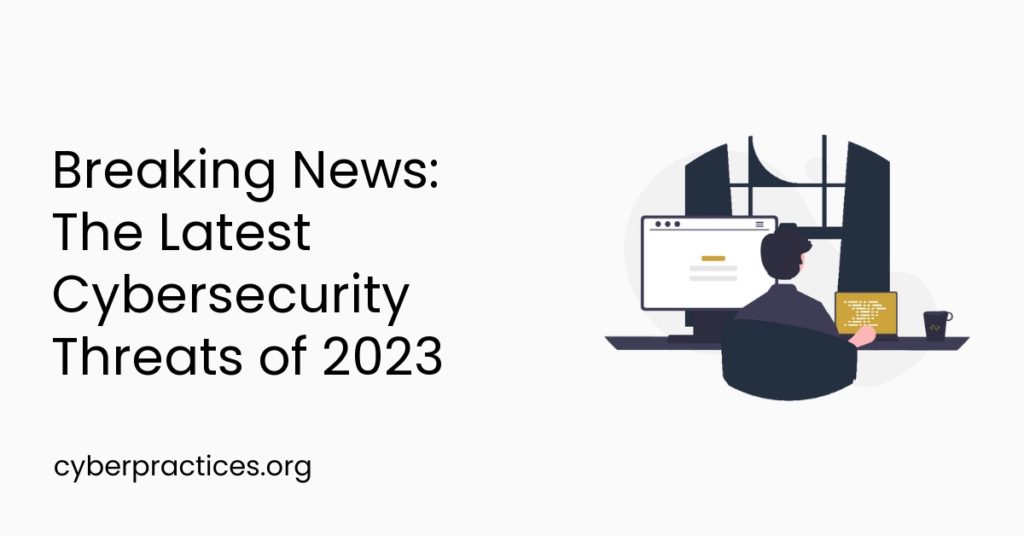
At the forefront of our minds as cybersecurity professionals, we face an alarming reality – the ever-evolving landscape of cybersecurity threats in 2023. The surge in cybercrime has reached epidemic proportions, leaving us on high alert. From data breaches to ransomware attacks, and even the growing menace of IoT attacks, our digital world is under constant siege.
These threats not only jeopardize the sensitive data and assets of corporations, governments, and individuals but also undermine fundamental pillars of our society, such as democracy, capitalism, and personal privacy. The severity of this situation is further compounded by the shortage of skilled cyber experts, amplifying the stakes of this ongoing battle.
As we delve into the realm of cybersecurity threats for 2023, we uncover a diverse range of risks. Vulnerabilities in the cloud, data breaches, risks associated with hybrid or remote work, mobile attacks, phishing attacks, ransomware, and even cyber-physical assaults are some of the imminent dangers we face. Additionally, state-sponsored attacks, IoT vulnerabilities, and even attacks on connected cars and smart medical devices loom on the horizon.
In the face of these challenges, it is crucial for us to remain vigilant and equip ourselves with the knowledge and tools necessary to defend against these threats. By staying informed and implementing robust cybersecurity measures, we can safeguard our digital assets and protect the very fabric of our interconnected world.
Vulnerability in the Cloud
Cloud storage offers numerous benefits for individuals and organizations alike, providing convenience, scalability, and cost savings. However, it also poses certain risks that must be addressed to ensure the security of stored data. We must be aware of the vulnerabilities that can compromise the integrity and confidentiality of information in the cloud.
Common Cloud Vulnerabilities
One of the primary concerns in cloud security is misconfiguration. Improperly configured cloud environments can leave sensitive data exposed and vulnerable to unauthorized access. Additionally, poor access control, where users are granted excessive privileges or credentials are not adequately managed, can lead to unauthorized individuals gaining access to data.
Another area of concern is shared tenancy, where multiple organizations or users share the same physical resources in the cloud. Without proper isolation mechanisms, this can create a risk of data leakage and unauthorized access. Insecure APIs (Application Programming Interfaces) are yet another vulnerability that cybercriminals may exploit to gain unauthorized access or manipulate data within the cloud environment.
Furthermore, the cloud ecosystem involves various stakeholders, including third-party service providers. The supply chain vulnerabilities associated with these providers introduce additional risks. If any of the providers have weak security practices or are compromised, it can impact the overall security of the cloud environment.
Lastly, the lack of multi-factor authentication (MFA) can make cloud accounts more susceptible to unauthorized access. MFA provides an additional layer of security by requiring users to provide two or more forms of authentication, such as a password and a fingerprint scan, to access their accounts.
| Cloud Vulnerabilities | Examples |
|---|---|
| Misconfiguration | Leaving cloud storage open to the public |
| Poor Access Control | Granting excessive privileges to users |
| Shared Tenancy | Data leakage between co-tenants |
| Insecure APIs | Exploiting vulnerabilities in cloud APIs |
| Supply Chain Vulnerabilities | Compromised third-party providers |
| Lack of Multi-factor Authentication | Single-factor password authentication |
In conclusion, while the cloud offers many advantages, it is essential to address the vulnerabilities that can compromise the security and privacy of data stored in these environments. By implementing robust security measures, such as proper configuration, strong access control, and multi-factor authentication, we can mitigate the risks associated with cloud storage and ensure the safety of our valuable information.
Data Breaches
Data breaches have become a prevalent cybersecurity concern, with several high-profile incidents impacting major companies such as Yahoo, LinkedIn, Facebook, and Marriott International. These breaches serve as sobering reminders of the vulnerabilities that exist in our digital landscape. In 2021, the United States experienced the highest number of data breaches, affecting a staggering 212.4 million individuals. Iran closely followed with 156.1 million individuals affected.
The Yahoo breach in 2013 remains one of the largest data breaches in history, affecting billions of user accounts and exposing sensitive personal information. LinkedIn also faced a significant breach in 2012, compromising millions of user credentials. These incidents highlight the need for robust cybersecurity measures and constant vigilance in protecting sensitive data.
As data breaches continue to pose a significant risk, organizations must prioritize cybersecurity efforts to safeguard their networks, systems, and customer information. Implementing robust encryption, multi-factor authentication, and regular security audits can enhance protection against cyber threats. Furthermore, user education and training are essential in promoting a security-conscious culture, empowering individuals to identify and report potential breaches. By staying proactive and responsive, we can mitigate the devastating consequences of data breaches and maintain trust in our digital ecosystem.
| Country | Data Breach Impact (2021) |
|---|---|
| United States | 212.4 million |
| Iran | 156.1 million |
Risk of Hybrid or Remote Work
The COVID-19 pandemic has brought about significant changes in the way we work. Hybrid and remote work arrangements have become increasingly popular, offering flexibility and convenience. However, along with these advantages come security risks that organizations and individuals must be aware of and address.
Security Risks of Hybrid or Remote Work
1. Wi-Fi Networks: When working remotely or in a hybrid environment, employees often connect to various Wi-Fi networks, including public ones. These networks can be insecure and susceptible to eavesdropping and data interception.
2. Personal Devices: Employees may use their personal devices, such as laptops, tablets, or smartphones, to access work-related information. However, personal devices may not have the same level of security measures as company-issued devices, making them more vulnerable to attacks.
3. Weak Passwords: In a hybrid or remote work setup, individuals may tend to use weak and easily guessable passwords. This creates an opportunity for cybercriminals to gain unauthorized access to sensitive data and systems.
4. Unencrypted File Sharing: Collaborating and sharing files is essential for remote teams. However, if files are not encrypted during the sharing process, they can be intercepted and accessed by unauthorized individuals.
Best Practices for Securing Hybrid or Remote Work
To mitigate the risks associated with hybrid or remote work, organizations and individuals should take the following measures:
- Ensure employees connect to secure Wi-Fi networks, preferably using Virtual Private Networks (VPNs) for added encryption and privacy.
- Implement strong password policies, requiring employees to use complex passwords and regularly update them.
- Encourage the use of company-issued devices that are equipped with up-to-date security software and features.
- Train employees on secure file sharing practices, emphasizing the importance of encrypting files before sharing them.
- Regularly update and patch software and applications to address any known vulnerabilities.
- Implement multi-factor authentication (MFA) to add an extra layer of security when accessing sensitive systems or data.
By implementing these best practices, organizations can minimize the risks associated with hybrid or remote work and protect their valuable data and systems from potential cyber threats.
| Risk | Impact | Preventive Measures |
|---|---|---|
| Wi-Fi Networks | Data interception and unauthorized access | Connect to secure Wi-Fi networks, use VPNs |
| Personal Devices | Potential lack of security measures | Encourage the use of company-issued devices |
| Weak Passwords | Risk of unauthorized access | Implement strong password policies, regular updates |
| Unencrypted File Sharing | Data interception and unauthorized access | Train employees on secure file sharing practices |
Mobile Attacks
In today’s digital age, smartphones have become an integral part of our daily lives. However, with the convenience and connectivity they offer, comes the risk of mobile attacks. Cybercriminals are constantly devising new ways to exploit vulnerabilities in smartphones, putting individuals and organizations at risk of data breaches and other security breaches.
One common type of mobile attack is phishing, where attackers attempt to trick users into revealing sensitive information such as passwords or credit card details. Phishing attacks can be carried out through text messages, emails, or even malicious websites disguised as legitimate ones. It is crucial for individuals to remain cautious and verify the authenticity of any requests for personal information on their smartphones.
Poor password security is another major vulnerability that cybercriminals exploit in mobile devices. Many users still use weak or easily guessable passwords, making it easier for attackers to gain unauthorized access to their sensitive data. It is essential for smartphone users to use strong, unique passwords and consider implementing additional security measures, such as biometric authentication or two-factor authentication, to protect their devices.
Spyware and malicious apps
Spyware is a form of malware that can be installed on smartphones without the user’s knowledge. Once installed, it can monitor and record a user’s activities, steal personal information, and even enable remote control of the device. To protect against spyware, users should only download apps from trusted sources and regularly update their operating systems and apps to ensure they have the latest security patches.
Similarly, malicious apps pose a significant risk to smartphone users. These apps may appear legitimate but contain hidden malware or exploit vulnerabilities in the device’s operating system. To minimize the risk of downloading malicious apps, users should stick to reputable app stores and carefully read reviews and permissions before installing any new app.
| Mobile Attacks | Security Measures |
|---|---|
| Phishing | – Verify the authenticity of requests for personal information – Be cautious of suspicious messages or emails – Avoid clicking on unfamiliar links |
| Poor Password Security | – Use strong, unique passwords – Consider implementing biometric authentication or two-factor authentication |
| Spyware | – Download apps only from trusted sources – Keep operating systems and apps updated |
| Malicious Apps | – Stick to reputable app stores – Read reviews and permissions before installing new apps |
In conclusion, as smartphones continue to play a crucial role in our personal and professional lives, it is vital to remain vigilant against mobile attacks. By implementing the right security measures, such as being cautious of phishing attempts, using strong passwords, and avoiding malicious apps, we can protect our devices and personal information from falling into the hands of cybercriminals.
Phishing Attacks
Phishing attacks have become increasingly sophisticated, leveraging machine learning to craft highly convincing fake messages. These attacks aim to trick individuals into revealing sensitive information, such as user logins, credit card credentials, and personal financial information. As cybercriminals continue to refine their techniques, it is crucial for organizations to educate their employees about the dangers of phishing attacks and implement robust cybersecurity measures.
One common form of phishing attack is email spoofing, where attackers impersonate legitimate organizations or individuals in order to deceive recipients. These emails often contain links to fake websites designed to steal login credentials or prompt users to enter personal information. It is important to remain vigilant and scrutinize emails carefully, especially those requesting sensitive data or financial transactions.
To combat these threats, organizations should implement multi-factor authentication, which adds an extra layer of security by requiring additional verification beyond just a password. Employee training programs should also educate staff on how to identify phishing attempts and report them promptly. Regular security updates and patches for software systems can also help protect against vulnerabilities that attackers may exploit.
| Phishing Attack Prevention Tips |
|---|
| Be cautious of unexpected or suspicious emails, especially those requesting sensitive information. |
| Verify the sender’s email address and look for any inconsistencies or unusual elements. |
| Avoid clicking on links or downloading attachments from unknown or untrusted sources. |
| Do not provide personal or financial information in response to unsolicited requests. |
| Regularly update passwords and enable multi-factor authentication whenever possible. |
Ransomware
Ransomware attacks continue to be a significant cybersecurity threat, costing victims billions of dollars annually. These attacks involve hackers leveraging sophisticated technologies to encrypt databases and hold them hostage in exchange for ransom payments. As organizations and individuals become more reliant on digital infrastructure, the frequency and severity of ransomware attacks have increased.
Ransom demands are typically made in cryptocurrencies, such as Bitcoin, which provide a level of anonymity and make it difficult to trace the perpetrators. The rise of cryptocurrencies has facilitated the proliferation of ransomware attacks, as they offer a secure and convenient method for hackers to receive payments. Additionally, the target of these attacks is expanding beyond organizations to include high-net-worth individuals who may have valuable personal data or financial resources.
To protect against ransomware attacks, it is crucial for organizations and individuals to implement robust cybersecurity measures. This includes regularly backing up data to offline or secure cloud storage, keeping software and systems up to date with the latest patches and security updates, and educating employees or users about the risks of clicking on suspicious links or downloading unauthorized software. Cybersecurity awareness and proactive defense strategies are essential in mitigating the impact of ransomware attacks.
Ransomware Prevention Best Practices
- Regularly backup important data and store it securely offline or in encrypted cloud storage.
- Keep operating systems, software, and antivirus programs up to date with the latest patches and security updates.
- Implement multi-factor authentication for accounts to add an extra layer of security.
- Train employees or users to recognize phishing emails and suspicious links, and to avoid downloading unauthorized software or files.
- Limit user privileges and access rights to minimize the potential impact of a ransomware attack.
- Monitor network traffic and behavior for any suspicious activities or anomalies.
- Develop an incident response plan to quickly and effectively respond to a ransomware attack.
| Ransomware Statistics | Year | Number of Attacks | Total Ransom Demands |
|---|---|---|---|
| 2019 | 5,183 | $11.5 billion | |
| 2020 | 8,419 | $20 billion | |
| 2021 | 11,642 | $32 billion |
State-Sponsored Attacks
We are witnessing an alarming increase in state-sponsored cyberattacks, posing a significant threat to both government-run systems and private sector organizations. These sophisticated attacks are orchestrated by nation-states with the intention to infiltrate critical infrastructure and compromise national security. As state-sponsored attacks become more frequent, it is imperative for organizations to invest in robust cybersecurity measures to protect against these evolving threats.
Government-run systems, which play a crucial role in maintaining public services and safeguarding national interests, are prime targets for state-sponsored attacks. These attacks aim to exploit vulnerabilities in government networks and gain unauthorized access to classified information. The consequences of such breaches can be catastrophic, leading to the compromise of sensitive data, disruption of essential services, and undermining the trust of the general public in their government.
However, it is not just government entities that are at risk. Private sector organizations operating in industries such as energy, finance, healthcare, and transportation are also susceptible to state-sponsored attacks. As these industries form the backbone of a nation’s infrastructure, any disruption can have far-reaching consequences on the economy and the daily lives of its citizens.
To combat state-sponsored attacks, organizations must implement comprehensive security measures that go beyond traditional defense strategies. This includes continuous monitoring of network traffic, proactive threat intelligence gathering, regular penetration testing, and robust incident response plans. Additionally, collaboration between the public and private sectors is crucial in sharing threat information and developing effective countermeasures.